Animal Welfare for Fiaker Horses — Husbandry, Training & Responsibility | Fiaker Paul

Animal Welfare for Fiaker Horses: Husbandry, Training and Responsibility at Fiaker Paul
How do horse-drawn carriages really live?
Many visitors to Vienna ask themselves this question — and it is justified. Today, more than ever, the public is focusing on modern horse-drawn carriage companies. That is exactly why we at Fiaker Paul focus on maximum transparency.
In this article, we openly show:
• What legal animal welfare rules apply to horse-drawn carriage horses,
• How our horses actually live and work
• How training and support work,
• And why we deliberately go beyond minimum legal standards.
⸻
Briefly explained: Are Fiaker Horses Doing Well?
Yes — if attitude, training and deployment are carried out responsibly.
In Austria, horse-drawn carriage horses are among the most strictly controlled workhorses in Europe. In addition to the Austrian Animal Welfare Act, there are additional local regulations and regular veterinary checks by the City of Vienna.
However, our approach goes further:
Laws define minimum requirements — our aim is long-term horse welfare.
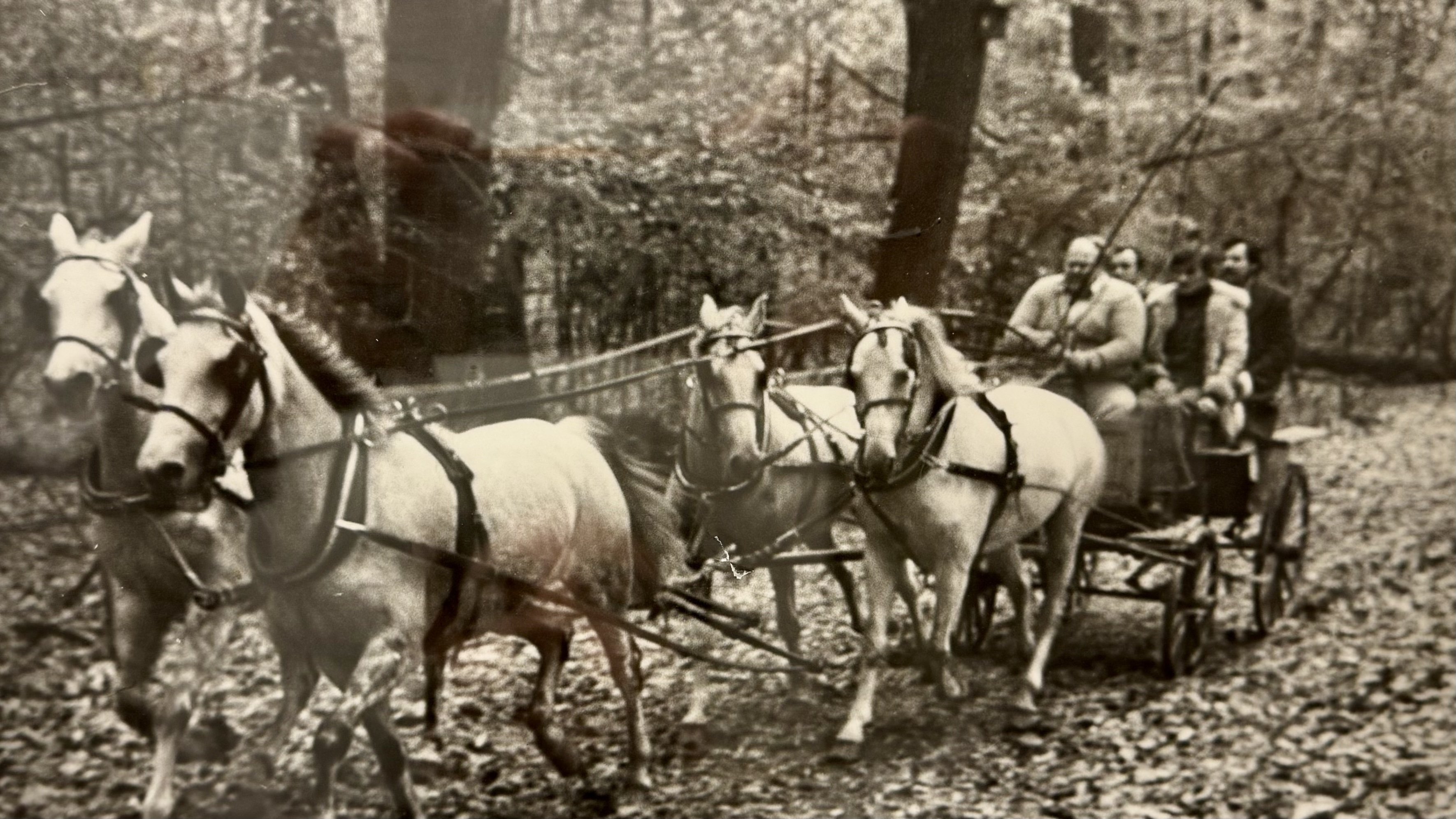
%20Kopie.jpg)
Statutory regulations for horse-drawn carriage in Austria
Carriages are subject to several levels of legislation:
1st Austrian Animal Welfare Act
Regulates in principle:
• Species-appropriate husbandry
• Protection against overload
• Health checks
• adequate rest periods
2nd Animal Husbandry Regulation for Horses
Among other things, it prescribes:
• suitable barn areas
• Daily exercise
• Social contact with other horses
• professional feeding
3rd Vienna Carriage and Horse Rental Act
Additional requirements specifically for horse-drawn carriages:
• maximum 4 working days per week
• mandatory rest days
• regular veterinary checks
• Only use completely healthy horses
• Official Checks by Official Veterinarians
👉 These regulations are among the strictest standards in equine tourism internationally.
⸻
Our Philosophy: Horse Welfare Starts in Everyday Life
Animal welfare is not created by regulations alone, but by daily practice.
At Fiaker Paul, every horse is at the center of attention as an individual. Our work is based on three basic principles:
1. Trust instead of pressure
2. Long-term health instead of short-term performance
3. Balancing work, exercise and recreation
A well-balanced horse is quieter in city traffic, safer for guests and healthier in the long term.
⸻
The Training of a Fiaker Horse
A horse-drawn carriage requires comprehensive training before it is used in city traffic.
Duration of training: approx. 5 to 12 months
During this time, horses gradually learn:
• Getting used to dishes and carriages
• Quiet behavior when there is traffic noise
• Dealing with Crowds
• Safe running in a team
Key principles of our education:
• Use from the age of 4-5 at the earliest
• slow increase in load
• Training first outside the city center
• Care by permanent caregivers
This careful preparation significantly reduces stress, makes work enjoyable and increases safety for animals and humans.
⸻
Appropriate keeping of our horse-drawn carriage
Rotation system instead of continuous load
We work with a large number of horses, which allows the animals to take turns in action.
That means:
• regular days off
• predictable rest periods
• No permanent physical load on individual horses
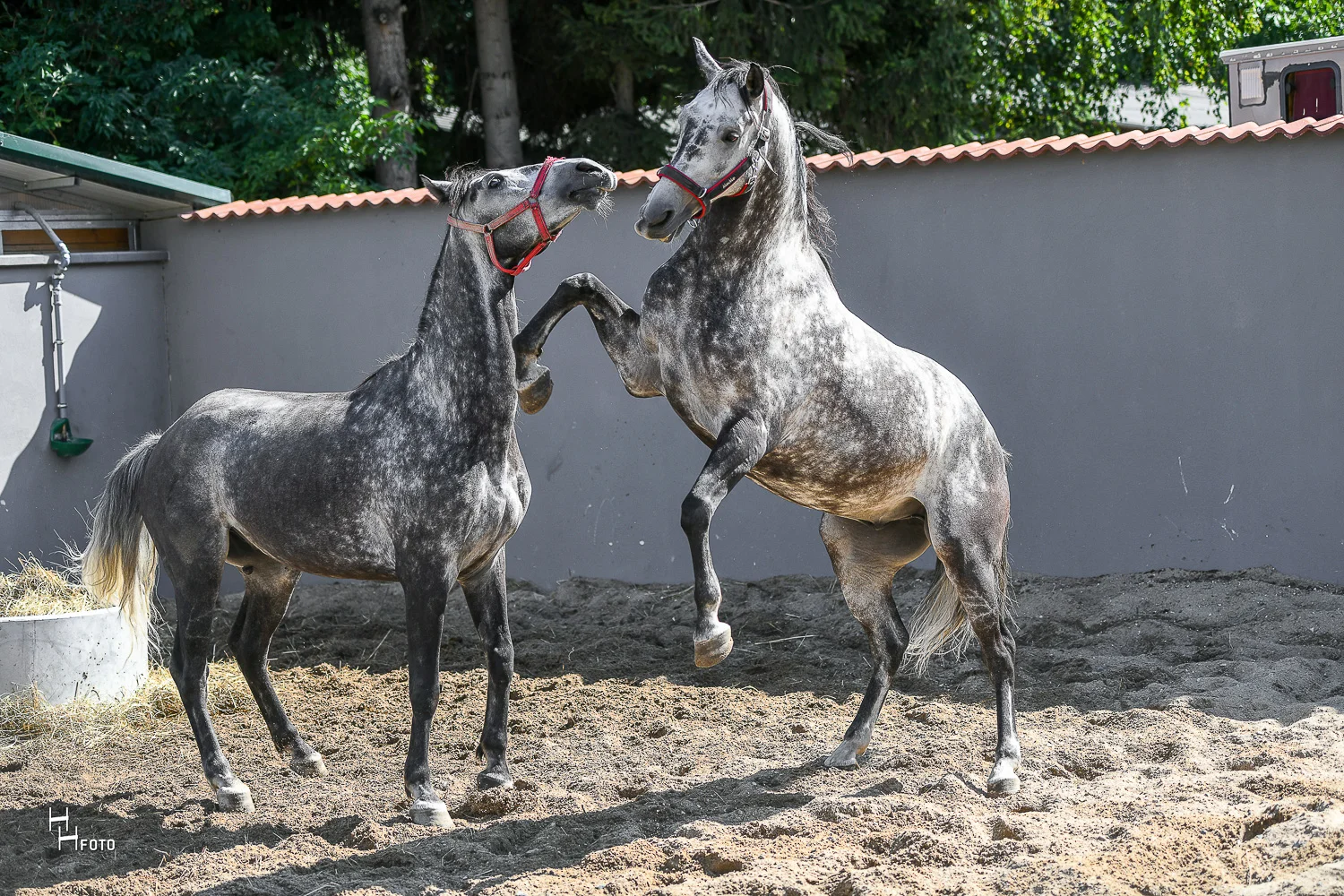
Movement and Social Contact
Horses are herd animals and moving animals. That is why we pay particular attention to:
• free outlet
• Contact with conspecifics
• sufficiently large barn areas
• structured feeding times
These factors are crucial for psychological stability and physical health.
⸻
Our added value compared to minimum legal standards
This is where the most important difference lies.
Laws define the minimum — we consciously invest beyond that.
What we also offer
✔ Own Horse Farm with Spacious Pastures (around 15 ha — about the area of 22 soccer fields)
✔ regular vacation stays for all horses
✔ seasonal work breaks beyond legal requirements
✔ individual training planning
✔ close health monitoring
✔ Long-term care up to retirement age
⸻
Vacation and Regeneration: Why Breaks Are Crucial
Encourage longer recovery periods:
• Muscle recovery
• natural movement
• Social behavior in the herd
• mental relaxation
This form of husbandry is based more on the horse's natural rhythm of life than on economic maximization.
⸻
What happens after the horse-drawn car career?
Our responsibility does not end with active working time.
Former horse-drawn carriages remain part of our company and retire:
• On spacious pastures
• in herd groups
• Under continuous support
This ensures that the animals are optimally cared for even in old age.
⸻
Common Misconceptions about Horse-Drawn Carriage
“Work is fundamentally bad for horses.”
Not correct. Horses are moving animals. Duration of exercise, training and support are decisive.
“Fiaker horses work every day.”
Prohibited by law. There are clear betting limits and mandatory rest days.
“The animals are not checked.”
Fiaker horses are among the most frequently veterinarian-controlled horses in Austria.
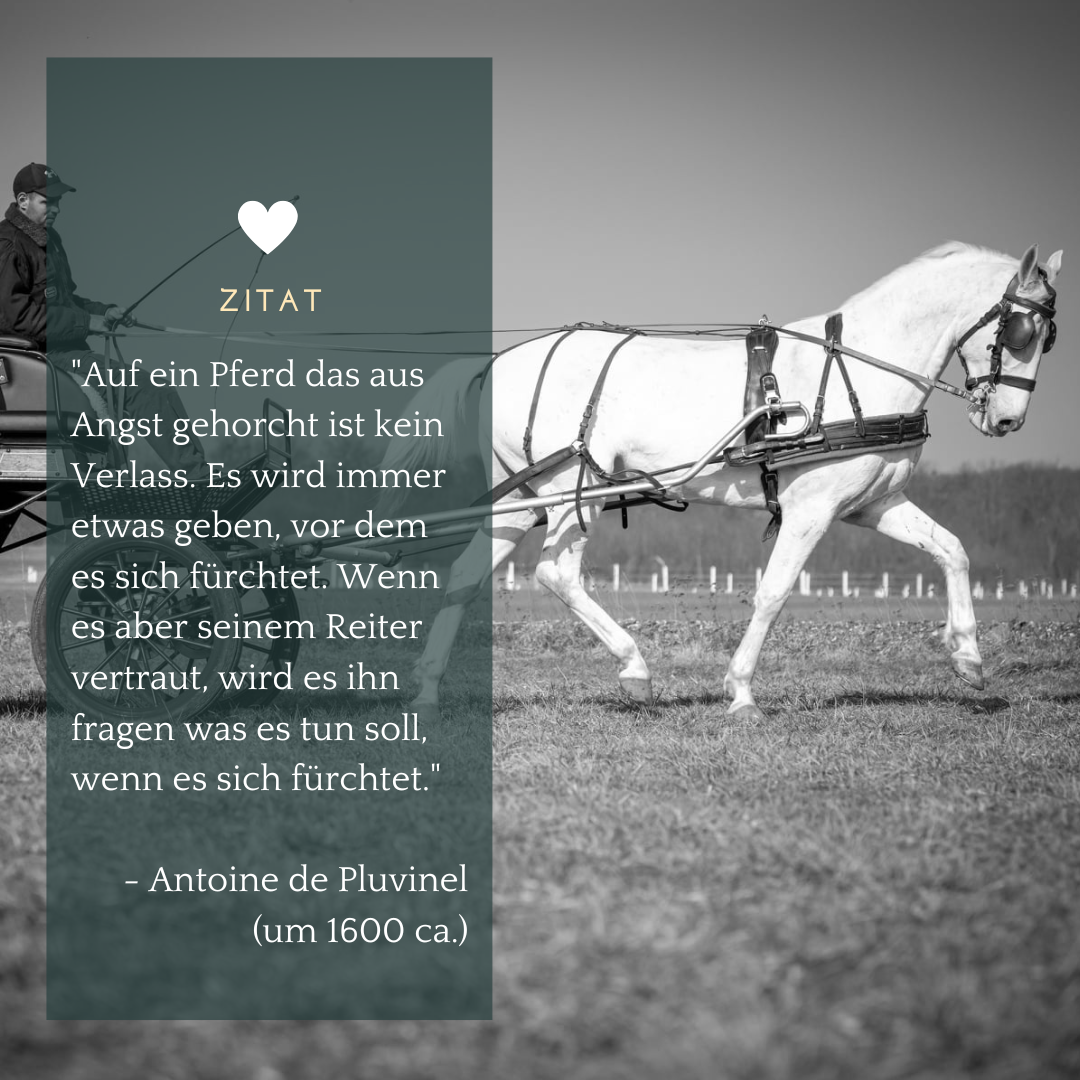
Why modern horse-back and animal welfare can go together
The horse-drawn carts tradition has changed significantly. Determine today:
• scientific findings,
• veterinary standards,
• Societal Expectations
• and transparency
The everyday life of responsible companies.
Our goal is clear: Preserve tradition — continuously improve animal welfare.
⸻
Our conclusion: Make responsibility visible
For us, animal welfare does not mean meeting legal requirements, but earning trust.
Every carriage ride is based on the work of our horses. That is why we consciously invest more time, more care and more resources in their well-being than is required.
Because only healthy, balanced horses make sustainable horse-drawn carriage possible.